El Tribunal Supremo de Illinois protege a los trabajadores y confirma la constitucionalidad de la Ley de Clasificación de los Empleados
Construction work carries real risk, and the label on a worker’s paperwork can decide what protection that worker has when something goes wrong. On...

Construction work carries real risk, and the label on a worker’s paperwork can decide what protection that worker has when something goes wrong. On February 21, 2014, the Illinois Supreme Court decided Bartlow v. Costigan, rejecting a constitutional challenge to the Illinois Employee Classification Act and leaving intact the state law that limits when construction companies can treat the people doing their work as independent contractors instead of employees.
What the Illinois Employee Classification Act Does
The Employee Classification Act, 820 ILCS 185/1 et seq., took effect on January 1, 2008. It targets a practice the legislature found common in construction: classifying workers as independent contractors when the day-to-day reality of the job looks like employment.
Under the Act, an individual performing services for a contractor covered by the law is treated as that contractor’s employee unless the contractor can show the relationship meets specific statutory criteria. That distinction carries real weight. Employees are covered by workers’ compensation, unemployment insurance, and overtime rules. Independent contractors generally are not. When a worker is misclassified, the cost of an injury shifts off the employer and its insurer and onto the worker, the worker’s family, and the public.
The Act gives the Illinois Department of Labor authority to investigate and impose penalties, and it preserves a worker’s right to bring a private action against a contractor who violates it.
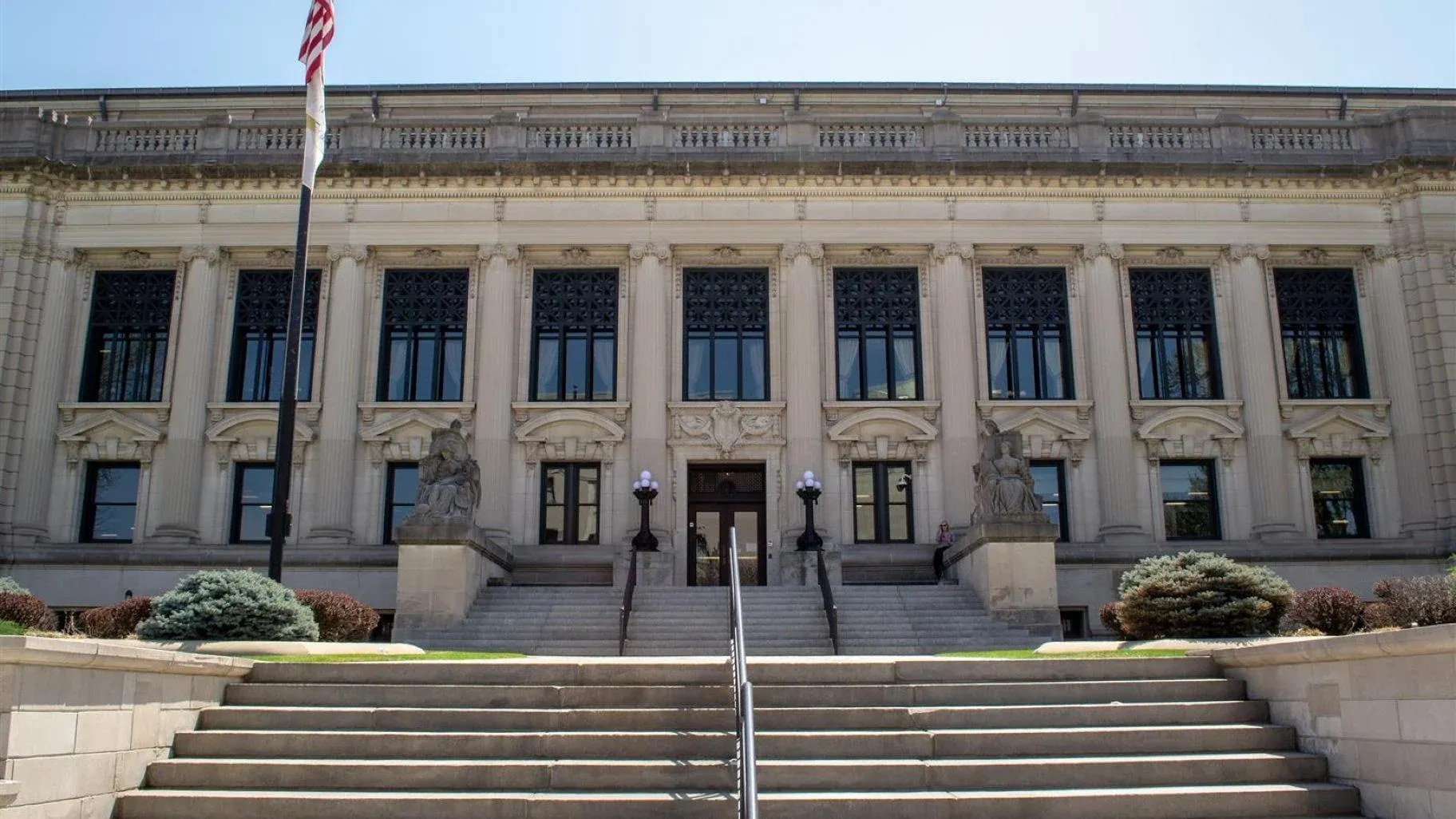
The Challenge in Bartlow v. Costigan
The case began when the Illinois Department of Labor opened an investigation into Jack’s Roofing, a construction business operated by Rhonda and Jack Bartlow. The company provided the information the Department requested, and the Department issued a preliminary determination that workers had been misclassified, with a window to respond before any final decision. A second investigation followed shortly after.
Before that process concluded, the Bartlows and two co-plaintiffs filed suit against the Director of the Illinois Department of Labor, in a case later captioned Bartlow v. Costigan, seeking to have the Act declared unconstitutional on several grounds, including special legislation, due process, vagueness, equal protection, and the prohibition on bills of attainder.
While the appeal was pending, the General Assembly amended the Act to require the Department to give notice and to conduct formal administrative hearings subject to the Administrative Review Law.
What the Court Decided
The Illinois Supreme Court affirmed in part and rejected the facial challenges to the Act.
The procedural due process challenge was moot. The amendments passed during the appeal changed how the Department must conduct enforcement, and the court held those amended procedures would govern any future proceeding against the plaintiffs.
On vagueness, the court held that section 10 of the Act, which sets out when an individual is treated as an employee, is specific enough to tell contractors what the law requires and to prevent arbitrary enforcement.
The plaintiffs’ remaining constitutional challenges were forfeited because they were not briefed. The court issued a modified opinion on May 27, 2014, after denying rehearing, leaving the outcome in place.
What Happens When a Construction Worker Is Misclassified
A misclassified worker who falls from a roof or is struck by equipment often learns the consequence at the worst possible moment, when the employer says there is no workers’ compensation coverage because the worker was never an employee. The Act survived that challenge in Bartow, and under it, the paperwork does not settle that question on its own. What matters is how the work was actually structured.
Classification shapes what claims are available, too. Workers’ compensation is usually the exclusive remedy against an employer, but an injured construction worker may also have a claim against a general contractor, a property owner, an equipment manufacturer, or another party on the site. Sorting out who was responsible, and in what role, often decides what an injury claim is worth.
Can an Independent Contractor Get Workers’ Compensation in Illinois?
Sometimes, and the answer usually turns on whether the classification was correct in the first place. A worker labeled an independent contractor on paper may still be an employee in practice. The Employee Classification Act sets one standard for construction work, and the Illinois Workers’ Compensation Commission applies its own test when deciding who is covered. Neither one treats the agreement itself as the final answer, which is why coverage is often available to workers who were told they did not have it. A worker who was properly classified as an independent contractor generally falls outside that system, but may still have a claim against a general contractor, property owner, or another party whose negligence caused the injury.
Hurt on a Construction Site in Illinois?
If you were injured on a job site and your employer is pointing to an independent contractor agreement, that agreement is not the last word. Our attorneys can look at how the job was actually run and what claims are open to you. The case review is free, and there is no fee unless we win.
Our offices in Libertyville, Waukegan, Richmond, and Chicago serve injured workers throughout Northern Illinois.
Explora más


